

Protests over border wall construction near Lochiel have escalated after federal agents removed demonstrators and contractors cut down a centuries-old cottonwood that activists said held cultural and spiritual importance.
News 4 Tucson reported that confrontations between protesters and Border Patrol intensified after the Oct. 5 removal of the tree, known by activists as the “grandmother.” The action ended a tree sit that had delayed construction for more than 70 days. Activists said 10 people were taken to a Border Patrol station and another 10 were cited and released during the operation.
The cottonwood was estimated to be 150 to 250 years old and was the last of four large trees marked for removal. Protesters have said the trees are sacred to Tohono O’odham and Yaqui people and provide important habitat in the San Rafael Valley. U.S. Customs and Border Protection said all four trees were on federal land, had been identified for removal and were examined by environmental monitors before work proceeded.
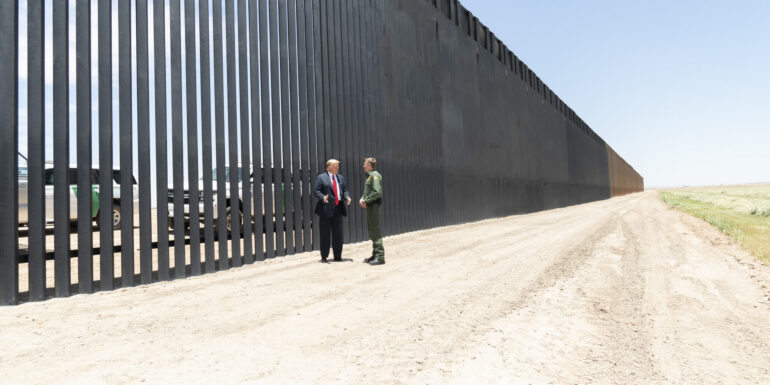
The dispute centers on a roughly 27-mile project awarded to Fisher Sand & Gravel for about $309 million. The plan includes 30-foot steel barriers and a secondary wall through eastern Santa Cruz County. Federal officials say the project will close gaps used for illegal crossings and smuggling. Opponents argue it will damage cultural sites, groundwater and a wildlife corridor used by jaguars, pronghorn and other species.

Protests continued after the tree fell. Activists established another tree sit across the border in Mexico, while later confrontations involved additional arrests and tear gas. Border officials cited alleged violations and an assault on a federal officer; protesters maintain their actions were nonviolent and accused agents of excessive force.
Organizers closed the Lochiel encampment Oct. 12 but said they plan to establish another border protest site in November. Construction remains underway.