
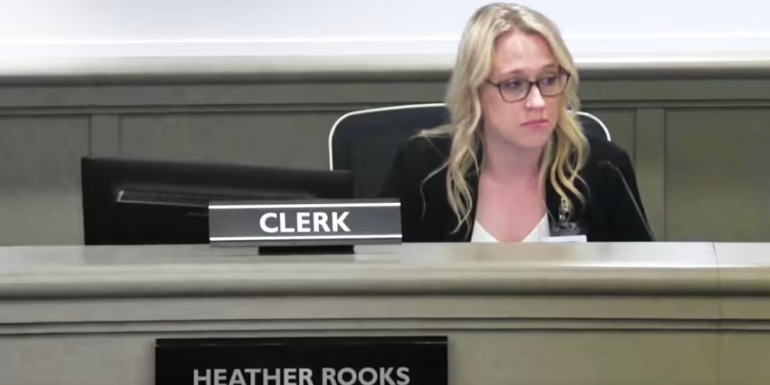

Former Peoria Unified board president and LD 28 State House candidate Heather Rooks continues pushing for answers in a growing controversy surrounding mandatory reporting procedures inside the district, arguing the issue centers on whether school employees failed to act after observing suspicious behavior involving students.
Rooks recently brought the issue to the Arizona State Capitol alongside Republican lawmakers who support stronger mandatory reporting enforcement and accountability measures. According to reporting from YourValley.net, Rooks said the controversy does not center on publicly declaring that sexual assault occurred. Instead, she said the issue centers on whether warning signs existed and whether district employees fulfilled their legal and ethical responsibilities to report concerns.
The debate intensified after Rooks criticized how district officials handled allegations involving teachers and student interactions. Critics accused her of escalating the situation publicly before investigators finished reviewing the allegations. Others argue Rooks raised legitimate questions about whether district staff ignored or minimized conduct that should have triggered mandatory reporting requirements.
During the May 19 press conference at the Arizona State Capitol, Rooks stated that the teacher in question was “Snapchatting with a student, buying gifts for a specific student,” while some students allegedly feared speaking up because they did not want classmates to label them as a “snitch.”
During the same press conference, Rooks argued the controversy should center on whether adults entrusted with students followed mandatory reporting laws and prioritized student safety rather than focusing on politics or reputational concerns.
“This shouldn’t be about politics or protecting someone’s reputation,” Rooks said. “This should be about whether adults trusted to be around children followed the law, acted appropriately, and put student safety first.”
Arizona law requires school employees and other designated professionals to report suspected abuse or misconduct involving minors when they reasonably believe concerning activity may have occurred. Rooks and several Republican lawmakers now argue districts should err on the side of reporting suspicious behavior rather than remaining silent out of fear of controversy or reputational damage.
State Senate President Warren Petersen, who is also running for Arizona attorney general, spoke during the May 19 press conference and questioned why current Attorney General Kris Mayes had not publicly commented on the controversy or announced any involvement in reviewing the matter.

Petersen argued the allegations surrounding potential mandatory reporting failures deserved serious scrutiny and questioned why the attorney general’s office had not engaged with or investigated the situation.
“The message I’m hearing from some people is that the success and image of a school district matters more than protecting our kids,” Petersen said.
Rooks clarified her position after a reporter noted that investigators found no evidence of “abuse” during the review process. Rooks responded that she is not personally declaring anyone guilty of sexual assault. Instead, she argued the issue centers on whether teachers or administrators witnessed behavior they considered inappropriate and then failed to notify authorities or child safety officials. The distinction remains central to the broader debate surrounding mandatory reporting obligations and whether school officials acted appropriately after observing potentially concerning conduct.
The controversy has become another flashpoint inside Peoria Unified, where recent board disputes and leadership battles already placed district governance under heavy public scrutiny. The situation intensified further after fellow board members voted to remove Rooks from her leadership position on the board as she continued publicly pressuring district officials and pushing for additional scrutiny surrounding the allegations and mandatory reporting concerns.