
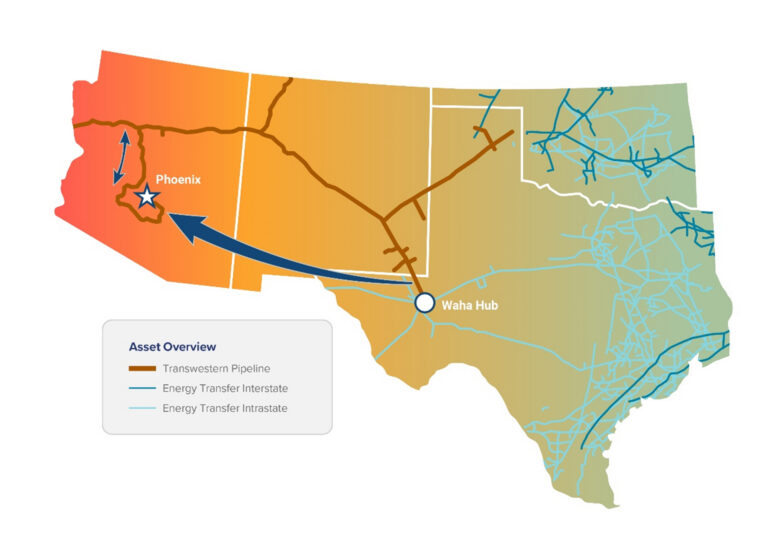

Gov. Katie Hobbs is drawing criticism from progressive activists after backing the Desert Southwest Pipeline project, creating new tension inside Arizona Democrats as Hobbs attempts to move toward the political center on energy policy.
The proposed pipeline would expand natural gas infrastructure across Texas, New Mexico, and Arizona. Hobbs defended the project by arguing Arizona needs reliable energy infrastructure to support economic growth, manufacturing expansion, and rising demand during extreme summer heat.
Environmental groups quickly attacked the decision. Organizations including the Sierra Club Grand Canyon Chapter, Chispa Arizona, and Solar United Neighbors accused Hobbs of abandoning climate priorities in favor of political convenience. Sierra Club statement
The political shift comes weeks after Republicans and conservative grassroots groups helped drive massive turnout in the normally low-profile Salt River Project election, where energy policy and utility costs became major campaign issues. Multiple outlets reported turnout increased several times over normal levels as conservative organizations heavily invested in the race.
That surge may explain why Hobbs now appears more willing to embrace a moderate position on energy infrastructure. Arizona voters increasingly prioritize affordability, grid reliability, and economic growth over aggressive climate rhetoric, especially as utility costs continue rising.
Sierra Club Grand Canyon Chapter Director Sandy Bahr called Hobbs’ support for the project “short-sighted” and warned the pipeline would increase Arizona’s dependence on natural gas for decades.

The backlash highlights a growing divide inside Arizona Democrats. Hobbs appears to recognize Arizona voters increasingly prioritize affordability, energy reliability, and economic growth over aggressive climate rhetoric. That political reality has pushed some Democrats toward more moderate positions on energy infrastructure.
Progressive activists, however, continue demanding stricter climate policies and opposition to expanded fossil fuel projects. Those groups played a major role in Democratic turnout operations and grassroots organizing efforts during recent statewide elections. Losing enthusiasm from that coalition could create political problems for Hobbs moving forward.
The dispute also reflects a larger challenge facing Democrats in battleground states. Hobbs wants to appeal to suburban moderates and independent voters concerned about utility costs and grid reliability. At the same time, she risks alienating the activist base that helped build Democratic momentum in Arizona.