
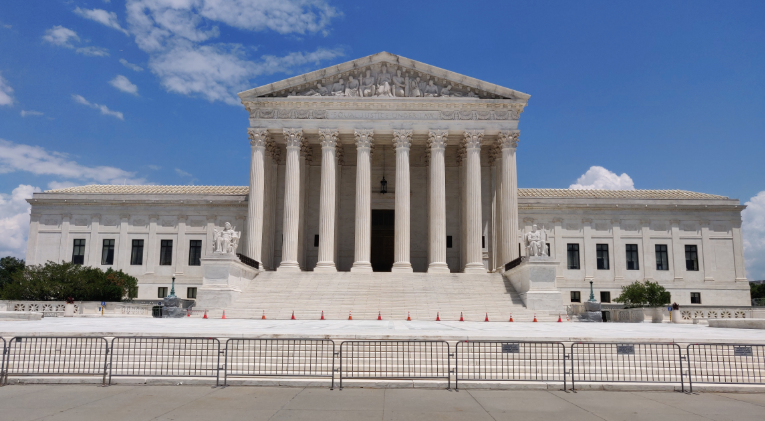

The Supreme Court will decide whether Arizona can enforce proof-of-citizenship voting rules, handing Republicans a major election-law fight after lower courts blocked key parts of the battleground state’s 2022 legislation.
The justices granted certiorari June 29 in Republican National Committee v. Mi Familia Vota, a case centered on Arizona’s state voter registration form and the National Voter Registration Act. The court will consider whether federal law, or a 2018 consent decree, prevents Arizona from requiring applicants using the state form to provide “satisfactory evidence” of citizenship.
The case asks whether Arizona can run a voter-roll cancellation program within 90 days of a federal election when state officials say a registrant is not a United States citizen.
Arizona’s Republican-controlled Legislature passed the challenged laws in 2022, requiring documentary proof of citizenship for some voter registration applicants and calling for list maintenance checks aimed at removing noncitizens from the rolls. Former Republican Arizona Gov. Doug Ducey said at the time that “election integrity means counting every lawful vote and prohibiting any attempt to illegally cast a vote.”
The RNC has argued the restrictions are needed to protect Arizona elections. RNC Chairman Joe Gruters said the party will keep fighting “to defend election integrity and ensure only eligible citizens cast a ballot,” according to The Associated Press. The Trump administration backed key elements of the appeal, Reuters reported.
Voting-rights groups and Democrats argue the laws violate federal registration protections and would make it harder for eligible Arizonans to vote, especially Latino, Native American and student voters.

The Supreme Court previously allowed Arizona to enforce proof-of-citizenship requirements for state and local elections while litigation continued, but it did not revive similar requirements for federal races. Arguments are expected in the fall, with a decision likely after the midterm elections.