
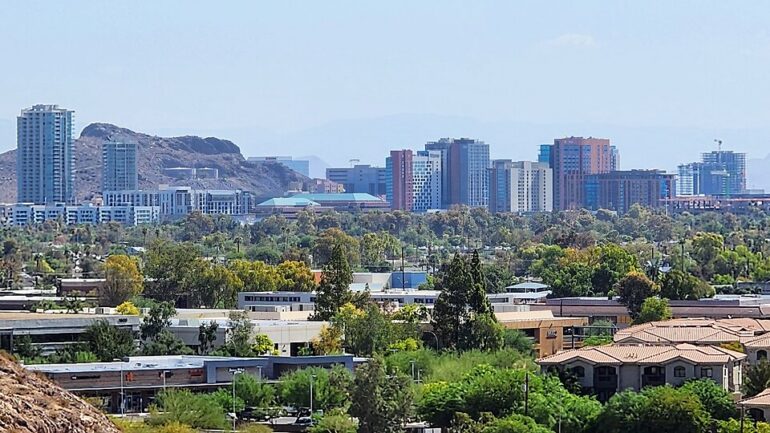

Tempe officials approved funding for a new Mill Avenue sign while confronting a reported $25 million budget shortfall, sparking criticism over the city’s spending priorities.
The criticism gained attention after the X account @DontCAmyAZ pointed out that the city “found $2 million for a flashy Mill Ave sign” before warning about budget challenges and the possibility of seeking additional revenue from taxpayers.
The debate centers on whether city leaders should fund high-profile development and branding efforts while simultaneously warning about budget deficits that could eventually lead to higher taxes or fees.
Support for the Mill Avenue project stems from the belief that investments in downtown Tempe attract visitors, support local businesses, and strengthen the city’s identity. City leaders and project supporters view the sign as part of a broader effort to promote economic activity and maintain Mill Avenue’s status as a destination.
Others view the situation differently. The reported $25 million budget shortfall has led some residents and taxpayer advocates to question whether city leaders should prioritize balancing budgets and funding core services before committing millions of dollars to projects many consider nonessential.
The controversy also reflects a larger debate taking place across Arizona. As local governments face rising costs, voters continue to scrutinize spending decisions and demand greater accountability from elected officials. Many fiscal conservatives believe governments should identify spending reductions and efficiencies before considering additional taxes or fees.

For those concerned about government spending, Tempe represents a warning sign. They point to a pattern in which governments approve projects that appear relatively small compared to the overall budget, only to later confront budget gaps and seek additional revenue from taxpayers.
Tempe’s budget discussions remain ongoing, but the debate has already attracted attention beyond city limits. Residents across Arizona will watch closely to see how city leaders address the shortfall and whether Tempe’s experience becomes a model for fiscal discipline or a cautionary tale about spending priorities.