
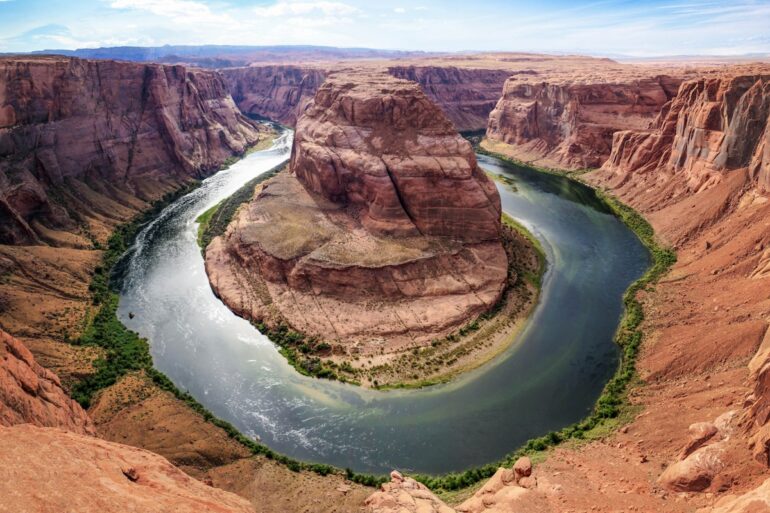

The National Park Service reported that America’s national parks welcomed a record 325 million recreational visits in 2025, surpassing the previous high set in 2023 and confirming a sustained post-pandemic surge in outdoor recreation that is straining park resources and sparking an urgent national conversation about how to balance access with preservation. Grand Canyon National Park contributed significantly to the total, recording 6.4 million visits, placing it among the five most visited parks in the system for the sixth consecutive year.
The visitation figures, released by the NPS in its annual statistical report, reflect a fundamental shift in how Americans spend their leisure time. Outdoor recreation participation has grown steadily since the COVID-19 pandemic, driven by a broad cultural reorientation toward nature-based experiences, the influence of social media in popularizing scenic destinations, and the expansion of remote work arrangements that allow more flexible travel schedules. While the trend brings economic benefits to gateway communities, it also presents complex management challenges that parks were not designed to accommodate.
At Grand Canyon, the impacts of record visitation are visible at every turn during peak periods. Parking lots at popular South Rim viewpoints reach capacity before 9 a.m. on busy days, trailheads see queuing that extends wait times for popular routes, and shuttle buses operate at standing-room capacity throughout the day. Park rangers report increased incidents of visitor conflicts, illegal parking, trail erosion, and wildlife disturbance. The strain on aging infrastructure, including water systems, wastewater treatment, and road surfaces, has accelerated deterioration at a pace that maintenance budgets struggle to match.
Park Superintendent Dr. Rebecca Watkins acknowledged the challenges in a year-end assessment provided to The Grand Canyon Gazette. “We are thrilled that so many people want to experience the Grand Canyon, but we have a responsibility to manage visitation in a way that protects the resource and provides a quality experience for every visitor,” Watkins said. “The reality is that some of our most popular areas are operating beyond their sustainable capacity during peak periods, and we need to have an honest conversation about solutions.”
The debate over visitor management has intensified across the national park system. Several high-profile parks, including Arches, Rocky Mountain, and Glacier, have implemented timed-entry reservation systems in recent years to manage peak-period crowding. The Grand Canyon has thus far resisted implementing a systemwide reservation requirement, but park officials confirmed that a comprehensive visitor use management plan is currently in development and that all options, including reservations, are on the table.
Gateway community leaders have expressed concern about the potential economic impacts of access restrictions. Tusayan business owners worry that a reservation system could deter spontaneous visitors who currently stop in town for meals, lodging, and shopping even if they visit the park only briefly. Williams Chamber of Commerce Director Sandra Redhorse urged the park service to engage gateway communities as partners in developing any new management strategies. “We support responsible management of the park, but any changes need to consider the real economic impacts on the communities that have built their livelihoods around Grand Canyon tourism,” Redhorse said.

Environmental organizations, however, have argued that access management is essential for the long-term health of the parks. The Grand Canyon Trust, a regional conservation organization, released a report in November calling for proactive measures to reduce peak-period crowding and protect sensitive habitats. “The Grand Canyon is a finite resource,” said Trust Executive Director Ethan Aumack. “If we love it to death through unmanaged overuse, we will lose the very qualities that make it worth visiting in the first place.”
The National Park Service has indicated that the visitor use management plan for Grand Canyon will involve an extensive public comment process, with draft proposals expected to be released for review in the summer of 2026. In the meantime, park officials are encouraging visitors to consider visiting during shoulder seasons, exploring less-crowded areas of the park, and utilizing the park’s free shuttle system to reduce vehicle congestion. The conversation about how to welcome millions of visitors while preserving one of the world’s greatest natural wonders is only beginning, and its outcome will shape the future of the Grand Canyon for generations to come.