
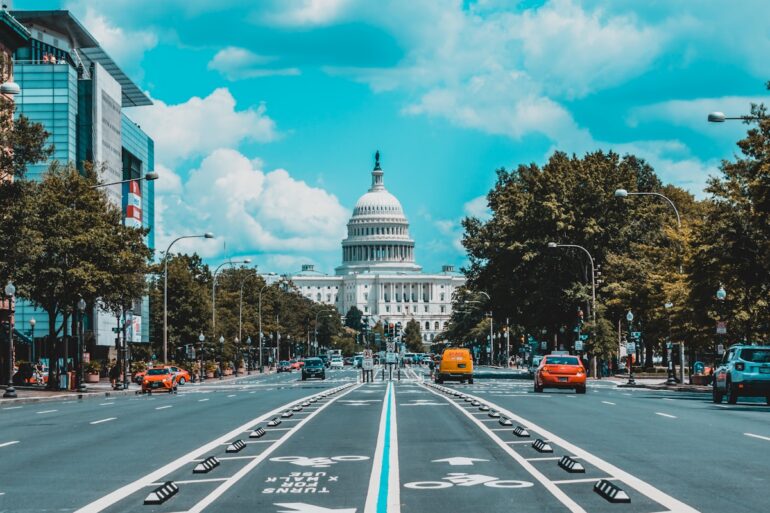

The United States Congress passed a landmark funding bill Monday that allocates $8.5 billion over five years for infrastructure improvements, deferred maintenance projects, and enhanced visitor services across the National Park System, a legislative victory that advocates say represents the most significant investment in public lands in more than a generation. The Protect and Preserve America’s Parks Act cleared the Senate on a 78-22 vote after passing the House of Representatives last week, and is expected to be signed into law before the end of the year.
The bill directs substantial funding to address the National Park Service’s estimated $23 billion maintenance backlog, which has left trails crumbling, historic structures deteriorating, water systems failing, and roads in disrepair at parks across the country. Grand Canyon National Park, which carries one of the largest deferred maintenance backlogs in the system at approximately $730 million, stands to receive a significant share of the allocated funds. Park officials have identified priority projects including the rehabilitation of the Trans-Canyon Water Distribution Pipeline, improvements to the South Rim trail system, and upgrades to aging visitor facilities.
The legislation was championed by a bipartisan coalition of lawmakers who argued that national parks are both an environmental treasure and an economic engine for surrounding communities. Senator Mark Kelly of Arizona, a key sponsor of the bill, praised the passage in a statement from his Washington office. “Arizona’s national parks generate billions of dollars in economic activity and support tens of thousands of jobs,” Kelly said. “This legislation ensures that we can protect these irreplaceable resources while continuing to welcome visitors from around the world.”
Representative Eli Crane, whose congressional district includes the Grand Canyon, called the bill’s passage a win for northern Arizona communities that depend on park tourism. “The Grand Canyon is the crown jewel of our national parks, and the communities surrounding it, Williams, Tusayan, Flagstaff, and Page, all benefit when the park is well-maintained and accessible,” Crane said. “This funding will make a real difference for the people I represent.”
The National Parks Conservation Association, the leading advocacy organization for the park system, hailed the vote as a transformative moment. NPCA President and CEO Theresa Pierno called the bill the most consequential parks legislation since the Great American Outdoors Act of 2020. “For too long, our parks have been asked to do more with less,” Pierno said. “This legislation provides the resources needed to address critical infrastructure failures, improve accessibility, and ensure that every American can enjoy their parks safely and fully.”
The bill includes specific provisions addressing challenges facing parks in the American West, including wildfire risk reduction, water infrastructure resilience, and climate adaptation planning. A dedicated fund within the legislation allocates $1.2 billion for water system projects, a provision that park managers in arid regions have lobbied for intensively. The aging Trans-Canyon Pipeline at Grand Canyon, which supplies all water to the South Rim and has experienced repeated failures in recent years, is widely expected to be among the first projects approved under this provision.

Economic analyses conducted during the legislative process projected that the investment would generate substantial returns in tourism-related economic activity. The National Park Service estimates that visitors to Grand Canyon National Park alone contributed $947 million to the regional economy in 2024, supporting more than 12,000 jobs. Proponents argued that infrastructure investments that improve the visitor experience and increase park capacity will amplify these economic benefits for years to come.
Gateway communities near the Grand Canyon reacted positively to the news. Williams City Manager Robert Trujillo said the funding represents an opportunity to coordinate local infrastructure improvements with park projects. Tusayan Town Council Chair Diane Ramos expressed particular interest in the bill’s provisions for improving transportation infrastructure connecting gateway communities to park entrances. “When the park thrives, our community thrives,” Ramos said. “This legislation recognizes that connection and invests in it. We are grateful to every lawmaker who made this possible.”