
Arizona voters will decide Nov. 3 whether to impose statewide restrictions on speed and red-light cameras, including recurring local elections for communities that already use photo enforcement.
Proposition 319 would generally bar a city, town or state agency from operating a photo-enforcement system unless it has a signed contract by Dec. 31, 2026, ABC15 Arizona reported. Communities with qualifying contracts would have to seek voter approval at the next general election. A rejected program would shut down within 90 days; an approved one could operate for 10 years before facing another vote.
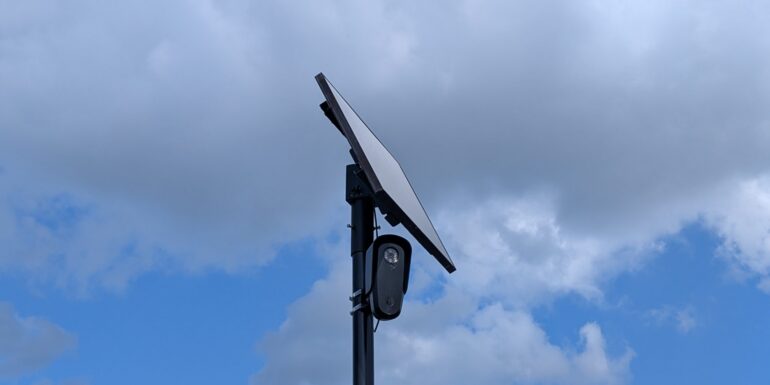
The measure defines photo enforcement as a radar unit or sensor linked to a camera or recording device that captures a vehicle’s license plate to identify speeding or traffic-control violations. It would not apply to every government or private surveillance camera.
Supporters argue residents should decide whether automated systems police local roads. The Legislature’s stated intent is to keep enforcement in the hands of trained officers, guard against outsourcing to private companies and prevent traffic enforcement from becoming a revenue source. Official voter-guide arguments cite privacy and due-process concerns.
Opponents focus on the Dec. 31 cutoff. A community without a signed contract by then would have no path under the measure to create a program later, even if population growth or crash patterns changed. The Arizona Public Health Association and traffic-safety groups argue properly placed red-light cameras can reduce dangerous intersection crashes.
Phoenix offers a current test case. The city returned 17 speed cameras to service in 2026, including nine rotating corridor cameras and eight rotating through school zones. Phoenix says police review recorded events before deciding whether to issue citations and describes the program as a Vision Zero safety tool.

A yes vote would enact the restrictions. A no vote would retain current Arizona law.